92.5-Inch Blade Length
The specified blade length is 92.5 inches, matching the approximate standard blade length associated with the vintage AMT-14 woodworking bandsaw. Confirm the exact required length for your machine before installation.
Designed for Woodworking Applications
The blade listing is intended for woodworking applications, including straight cutting, curved cutting, resawing, and general workshop projects involving compatible wood materials.
Compatible with the AMT-14 Bandsaw
The AMT-14 is a classic 14-inch bandsaw design associated with American Machine & Tool Co., Inc. Confirm the machine model and blade dimensions before purchasing a replacement.
Flexible Blade Width Selection
Reference information indicates a typical blade-width range of approximately 3/16 inch to 3/4 inch. Narrower blades are generally better suited to tighter curves, while wider blades offer greater stability for straight cutting and resawing.
Sturdy Vintage Machine Construction
The AMT-14 is known for its robust metal-frame design. Correct blade selection, proper tension, and suitable guide adjustment help maintain reliable cutting performance.
Adjustable Blade Tension
The compatible bandsaw uses a blade tensioning mechanism to keep the blade properly tensioned. Following the machine manufacturer's guidance helps maintain stable tracking and reduce cutting inaccuracies.
Adjustable Blade Tracking
Proper blade tracking keeps the blade positioned correctly on the wheels. Correct adjustment can help reduce wandering and support more consistent cutting results.
Compatible Guide-System Options
The AMT-14 can accommodate certain aftermarket guide upgrades, depending on the configuration. Confirm that the selected blade width is supported by the installed guides before ordering.
Suitable for Straight Cutting
A properly selected blade can support straight cuts in suitable hardwood, softwood, plywood, and other compatible woodworking materials.
Suitable for Curved Cutting
Narrower blades generally provide better maneuverability when cutting curves and intricate profiles. Choose a blade width appropriate for the radius of the intended cut.
Resawing and Lumber Preparation
Wider blades within the machine's supported range can help maintain stability when resawing boards or preparing lumber. Actual resaw capacity depends on the machine configuration and any installed riser block.
Clean and Consistent Cutting
Selecting the appropriate tooth pitch for the material thickness can help improve cut quality, remove sawdust efficiently, and reduce unnecessary strain on the blade.
Reduced Premature Wear
Correct blade tension, guide alignment, cutting technique, and tooth selection help reduce premature wear and support longer blade life.
Suitable for Professional and Hobby Workshops
The AMT-14 is suitable for a range of woodworking environments, including home workshops, cabinetry, furniture making, and general woodworking projects.
Verify Dimensions Before Installation
The supplied minimum blade width of 1.255 inches is inconsistent with the stated maximum of 0.75 inch. Confirm the correct minimum width, blade thickness, tooth pitch, and machine compatibility before installing or ordering the blade.
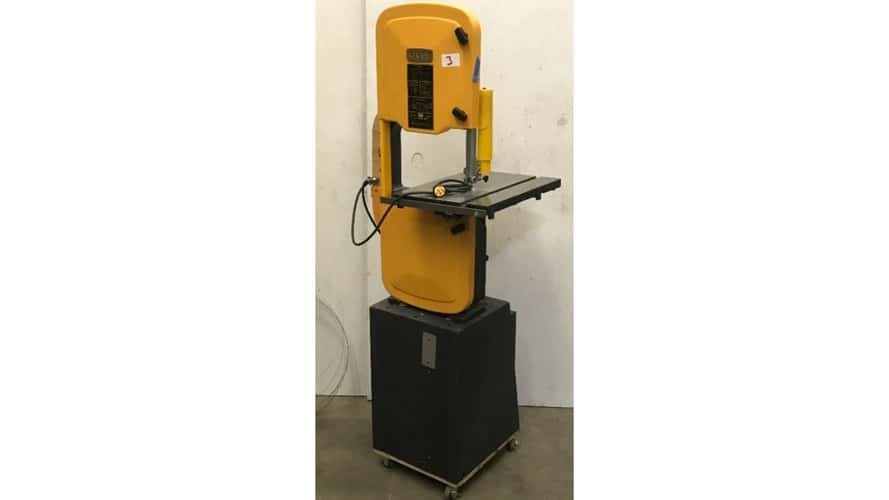
This blade listing is associated with the AMT-14 14-inch woodworking bandsaw. Verify the exact machine model and required blade dimensions before purchase.
The supplied blade length is 92.5 inches.
Reference information indicates a typical range of approximately 3/16 inch to 3/4 inch, depending on the machine's guide configuration. The supplied minimum width of 1.255 inches requires verification.
Yes. The AMT-14 is a vintage 14-inch bandsaw design used for woodworking applications.
With the appropriate tooth configuration, a compatible blade can cut hardwood, softwood, plywood, and other suitable woodworking materials.
Yes, if the blade width and tooth configuration are appropriate for resawing and supported by the machine's guide system.
Yes. Narrower blades generally work better for tighter curves and intricate cutting patterns.
Reference information indicates that blade widths up to 3/4 inch are generally supported. Confirm compatibility with the specific guide configuration installed on your saw.
Some configurations may accommodate a wider blade with compatible upgraded roller guides. Confirm the machine setup and manufacturer's recommendations before using a 1-inch blade.
Proper blade tension helps maintain stable tracking, accurate cuts, and consistent cutting performance.
Yes. Incorrect tracking can cause the blade to wander or cut inaccurately. Follow the machine's adjustment instructions.
The appropriate teeth-per-inch (TPI) configuration depends on the material thickness and cutting application. Finer pitches are generally suitable for thinner materials, while coarser pitches often suit thicker stock.
Historical configurations were commonly supplied without a motor, allowing users to provide a compatible motor and drive arrangement. Verify the requirements for your particular machine.
Use the correct blade width and tooth pitch, maintain proper tension and tracking, keep the guides adjusted, and avoid forcing the blade through the workpiece.
It requires verification. A 1.255-inch minimum is greater than the supplied 0.75-inch maximum, and the reference information indicates a typical width range of approximately 3/16 inch to 3/4 inch. Confirm the correct minimum width before publishing or ordering.
| Blade Length inches | 92.5" |
| Min/Max Blade Width | 1/8" to 3/4" |
| Machine Type | Wood |
| Machine Frame | Metal construction, according to supplied reference |
| Throat Capacity | 14 Inches |
| Blade Tension | Adjustable |
| Blade Tracking | Adjustable |
| Motor Configuration | Historical configurations may require a separately supplied motor |
| Guide-System Options | Standard guides; certain aftermarket upgrades may be compatible |
| Recommended Materials | Hardwood, softwood, plywood, and other compatible wood materials |
| Applications | Straight Cutting, Curve Cutting, Resawing, General Woodworking |
| Compatibility Status | Verify exact blade width and fitment before ordering |
Qsaw 101 & 201 Carbon Band Saw Blades – Flex Back & Hard Back Series
This document details Qsaw’s 101 Flex Back and 201 Hard Back carbon band saw blades. The 101 Flex...
View MoreWood Blade Selection Guide – Choosing the Right Bandsaw Blade
This guide from Sawblade.com outlines the best bandsaw blade choices for woodworking tasks, inclu...
View Moreglobal ratings
Share your thoughts with other customers