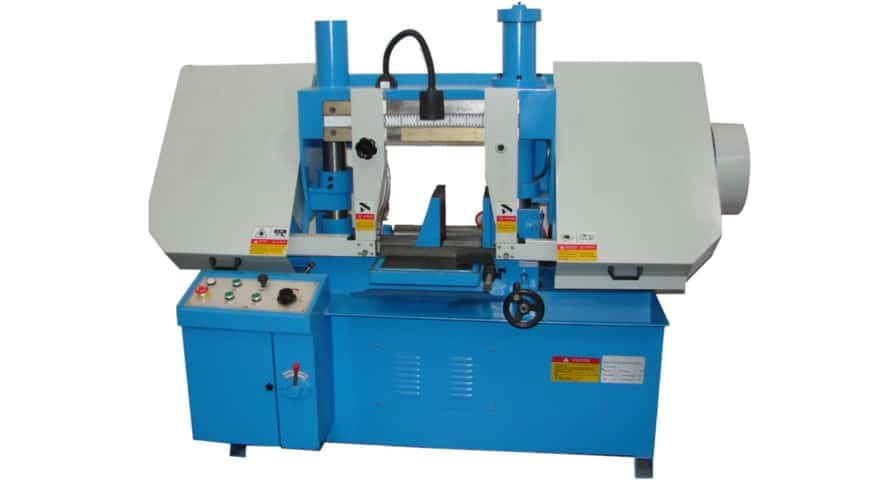
Precision Fit for Arnous & Mauny US No. 2
Specified for the Arnous & Mauny US No. 2 machine, this replacement blade measures 117 inches long and 3/4 inch wide. Verify the machine's required dimensions before ordering to ensure compatibility.
117-Inch Blade Length
The 117-inch blade length, equivalent to 9 feet 9 inches, is specified for the US No. 2 configuration. Correct blade length is essential for proper installation, tensioning, and tracking.
3/4-Inch Blade Width
The 3/4-inch width provides a relatively rigid cutting profile for straight cuts and suitable heavy-duty applications. The appropriate width should always match the machine's blade guide and wheel specifications.
Designed for Metal Cutting
This blade specification is intended for metal-cutting applications. Select the blade material and tooth configuration according to the metal type, workpiece dimensions, and required finish.
Stable Straight-Line Cutting
A suitably selected 3/4-inch blade can help maintain a stable cutting path during straight-line operations when properly tensioned and guided.
Reduced Blade Deflection
The wider blade profile offers greater resistance to sideways deflection than narrower blades of comparable construction, supporting accurate cuts in compatible applications.
Variable Tooth Pitch Options
Available tooth configurations may include variable-pitch options such as 4/6 TPI or 10/14 TPI, depending on the blade material and intended application. Confirm availability before purchasing.
Efficient Chip Removal
Choosing the correct tooth pitch helps remove chips effectively and reduces tooth loading. This is particularly important when cutting thick sections or materials that produce substantial chips.
Carbon Steel Blade Options
Carbon steel blades may be suitable for certain general-purpose cutting applications, depending on the machine, material, and required cutting performance.
Bi-Metal Blade Options
Bi-metal blades with high-speed steel cutting teeth can provide improved wear resistance and durability in demanding metal-cutting applications. Confirm that the selected construction is appropriate for the machine.
Consistent Blade Tracking
Correct blade dimensions, proper tension, and accurate guide adjustment help maintain stable tracking and reduce unwanted blade movement during operation.
Suitable for Structural Metal Stock
With the appropriate tooth configuration, a compatible blade may be used for straight cutting of suitable bars, rectangular sections, tubing, and other metal stock within the machine's rated capacity.
Supports Industrial Workshop Applications
The specified blade dimensions make this product relevant to industrial cutting and fabrication environments where reliable replacement components are required.
Helps Maintain Cutting Efficiency
Using the correct blade length, width, and tooth pitch helps maintain cutting consistency and can reduce premature tooth wear caused by unsuitable blade selection.
Replacement Blade Selection
Before ordering, confirm the exact machine model, blade length, blade width, thickness, tooth pitch, and material. These details help ensure a suitable replacement for the Arnous & Mauny US No. 2.