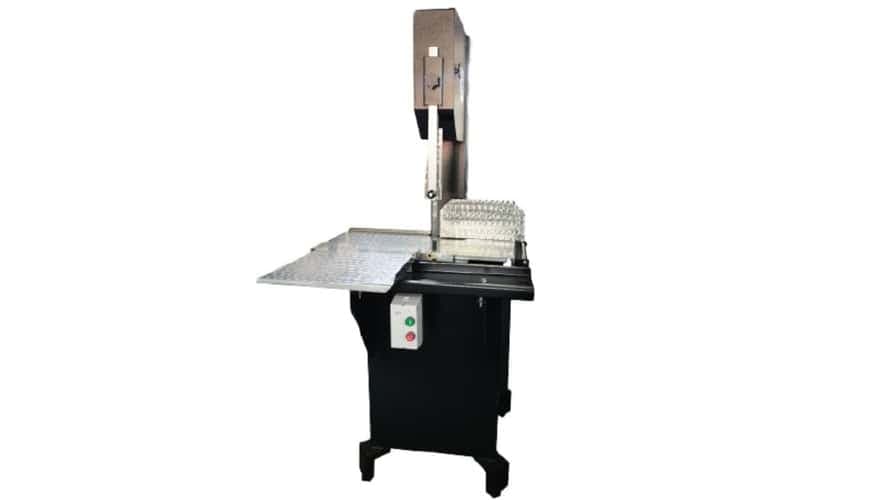
148-Inch Blade Length
The listed blade length is 148 inches, providing the dimensional specification for this product listing. Confirm the required blade length on your machine before installation.
1-Inch Blade Width
The supplied specifications identify a 1-inch blade width. Blade width affects rigidity, tracking, and cutting capability, so compatibility should be confirmed before purchase.
Designed for Metal-Cutting Applications
This listing identifies the blade for metal-cutting applications. Select an appropriate blade material and tooth configuration based on the metal type, workpiece thickness, and cutting requirements.
Replacement Blade Configuration
A correctly sized replacement blade helps maintain the bandsaw's intended operating performance. Verify the blade length, width, thickness, and tooth configuration against the machine manufacturer's specifications.
Stable Blade Tracking
Proper blade dimensions, tension, and guide adjustment help maintain stable tracking and reduce unwanted blade movement during cutting.
Precision Cutting Performance
Choosing the correct tooth pitch and blade geometry can support consistent cuts and help reduce rough edges, excessive vibration, and unnecessary material waste.
Suitable Tooth Pitch Selection
Different materials and stock thicknesses require different tooth pitches. Coarser tooth configurations generally suit thicker stock, while finer pitches are better suited to thinner materials.
Blade Material Selection
Carbon-steel and bi-metal blades are available for different metal-cutting requirements. The correct option depends on the material being cut, operating conditions, and machine compatibility.
Efficient Chip Removal
An appropriate tooth design helps remove chips from the cutting area, supporting smoother operation and reducing the risk of tooth loading.
Heat Management
Correct cutting speed, feed pressure, and coolant use where applicable can help control heat buildup and improve blade service life.
Reduced Blade Wear
Proper tension, accurate tracking, and suitable cutting settings help reduce premature wear and extend the usable life of a replacement blade.
Compatible Guide Adjustment
Blade guides must be adjusted according to the machine manufacturer's instructions. Correct positioning helps support the blade and maintain cutting accuracy.
Workshop and Fabrication Applications
A correctly matched metal-cutting blade can support suitable workshop tasks involving metal stock, tubing, bars, and structural sections within the machine's rated capacity.
Maintenance-Friendly Replacement
Replacing a worn blade with the correct specification helps restore cutting performance. Always follow the machine manual's installation, tensioning, and safety instructions.
Fitment Verification Before Purchase
The supplied listing specifies a 148-inch length and 1-inch width, while the available historical reference describes an 83-inch blade and a width range of 1/8 to 1/2 inch for an Atlas 13-inch workshop bandsaw. Confirm the exact model and required blade size before purchasing.