93-Inch Blade Length
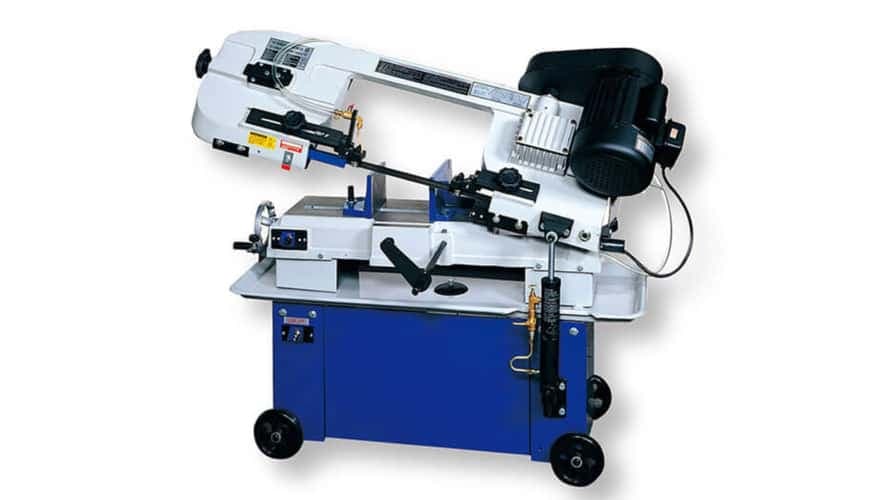
The specified 93-inch blade length is suitable for the Atlas-712-style bandsaw configuration described in the supplied reference. Confirm the required blade length against your machine's manual before ordering.
3/4-Inch Blade Width
The 0.75-inch blade width provides a stable cutting path for horizontal metal-cutting applications and supports accurate tracking when the blade is correctly installed and tensioned.
Designed for Metal Cutting
This blade configuration is intended for metal-cutting applications involving compatible ferrous and non-ferrous materials. Select the blade material and tooth pitch according to the workpiece and cutting conditions.
Compatible Blade Thickness Options
The supplied reference lists blade thicknesses of approximately 0.032 to 0.035 inch. Confirm the required thickness for your specific machine and blade construction.
Variable Tooth Pitch Selection
Different tooth pitches support different material thicknesses. Variable-pitch blades, such as 4/6, 5/8, 8/12, and 10/14 TPI, can help match the blade to the workpiece and reduce uneven tooth loading.
Suitable for Structural Steel
With the correct blade material and tooth configuration, this blade size can be used for compatible structural steel sections, solid bars, and other metal stock within the machine's rated capacity.
Tube and Pipe Cutting
A suitable tooth pitch helps maintain consistent cutting when working with tubing and pipes. For thin-walled material, use a finer pitch that keeps multiple teeth engaged with the workpiece.
Stable Blade Tracking
Correct blade dimensions, tension, and guide-arm adjustment help keep the blade aligned during cutting, supporting straighter cuts and reducing unwanted blade movement.
Hydraulic Downfeed Compatibility
Atlas-712-style horizontal bandsaws may use hydraulic downfeed to control the cutting descent. Follow the machine manufacturer's instructions to set the feed rate appropriately for the material and blade.
Coolant System Compatibility
Where the machine is equipped with a coolant system, suitable coolant can help manage heat and remove chips from the cutting area, improving cutting conditions and supporting blade longevity.
Miter-Cutting Applications
Some 712-style bandsaws feature a swiveling vise for angled cutting. Confirm your machine's mitering range and setup before using the blade for angled cuts.
Efficient Chip Removal
The correct tooth geometry and pitch help clear chips from the cut, reducing tooth loading and supporting consistent cutting performance.
Reduced Premature Wear
Using the correct blade speed, tooth pitch, tension, and feed pressure helps reduce unnecessary stress on the blade and may extend its service life.
Workshop and Fabrication Use
This blade configuration is suited to compatible metal-cutting tasks in machine shops, maintenance departments, fabrication facilities, and general industrial workshops.
Fitment Verification Before Purchase
The supplied reference describes a typical 93" x 3/4" blade for 712-style bandsaws. Verify the exact model, blade thickness, tooth pitch, and machine requirements before purchasing, as specifications can vary between manufacturers.