83-Inch Blade Length
The specified 83-inch blade length matches the commonly documented blade length for the vintage Atlas 912 bandsaw. Confirm the required dimensions of your particular machine before installation.
1/4-Inch Blade Width
The listed 0.25-inch blade width provides a practical configuration for compatible cutting applications. Blade width affects cutting stability and the ability to follow curves, so select a width appropriate for the intended work.
Designed for Atlas 912 Compatibility
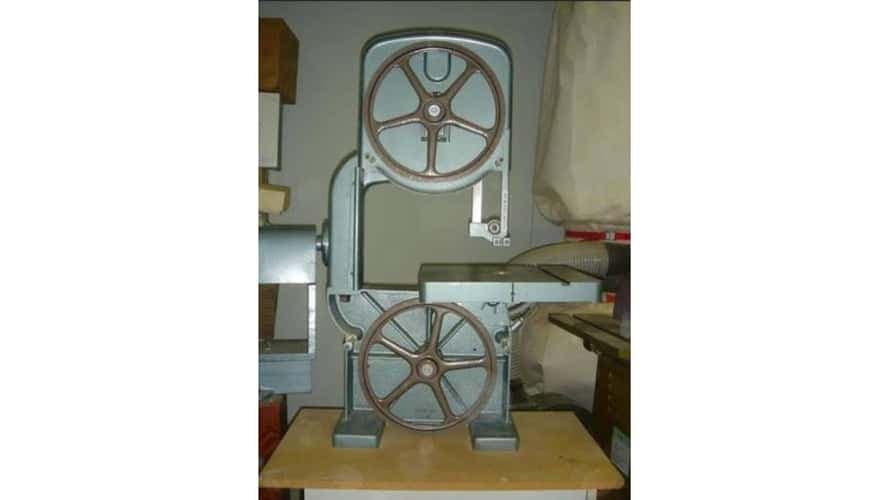
This blade listing is intended for the Atlas 912 vertical bandsaw, a vintage machine manufactured by Atlas Press Co. Confirm the model identification and blade requirements before purchasing.
Vintage Machine Replacement Solution
The Atlas 912 is a historical bandsaw model. A correctly sized replacement blade can help restore cutting performance when the machine's wheels, guides, bearings, and tensioning mechanism are in suitable operating condition.
Vertical Bandsaw Configuration
The Atlas 912 uses a vertical bandsaw design. Correct blade installation, tracking, and tension are essential for maintaining consistent cutting performance.
Suitable Blade Width for General Cutting
A 1/4-inch blade can offer a balance between maneuverability and stability, depending on the blade's tooth configuration and the material being cut.
Precision Blade Tracking
Correct blade length and width, combined with properly adjusted guides and suitable tension, help maintain blade alignment and reduce unwanted movement.
Tooth Pitch Selection
Selecting the correct teeth-per-inch (TPI) configuration is important for cutting quality. The ideal pitch depends on the material, thickness, and desired finish.
Blade Material Considerations
Choose a blade material designed for the intended application. The supplied historical references do not independently establish a specific material or tooth configuration for this exact listing.
Support for Restoration Projects
Owners restoring vintage Atlas machinery may need to inspect the blade guides, wheel tires, bearings, and tensioning components before installing a replacement blade.
Compatible Wheel and Tire Condition
Worn or deteriorated wheel tires can affect blade tracking. Inspect the wheels and tires and replace damaged components as needed before operating the saw.
Reduced Cutting Problems Through Proper Setup
Correct tension, guide alignment, and tooth selection can help reduce blade wandering, uneven cuts, and premature wear.
Workshop Maintenance Applications
A suitable replacement blade can support ongoing maintenance and restoration of a compatible Atlas 912 bandsaw used for appropriate workshop cutting tasks.
Easy Replacement With Proper Preparation
Before replacing the blade, disconnect power, follow the machine manual, and inspect the blade path and guide components. Use appropriate protective equipment when handling the blade.
Fitment Verification Before Purchase
The supplied specifications list an 83-inch blade length and 1/4-inch width. Historical references commonly describe the Atlas 912 as a woodworking bandsaw with blade widths ranging from 1/8 to 1/2 inch. The listed dimensions fall within that width range, but the machine's exact cutting application and required blade specifications should be confirmed.