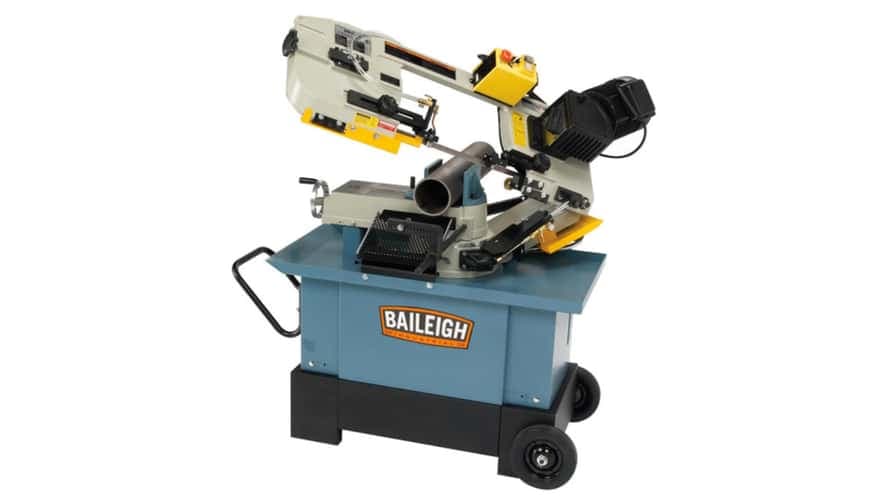
130.5-Inch Blade Length
The Baileigh BS-300 uses a 130.5-inch bandsaw blade, providing the correct blade length for proper installation, tensioning, and tracking on the compatible machine.
1-Inch Blade Width
This replacement blade features a 1-inch blade width, delivering excellent stability and straight-cut performance for demanding metal-cutting applications.
Designed for Metal Cutting
Engineered for the Baileigh BS-300 metal bandsaw, the blade is suitable for professional cutting of compatible metals, including steel, aluminum, tubing, and other fabrication materials.
Precision Cutting Performance
The blade is designed to produce clean, accurate cuts while maintaining consistent tracking and minimizing unwanted blade movement during operation.
Excellent Blade Stability
The 1-inch blade width provides strong lateral stability, making the blade well suited for straight cuts and larger metal workpieces.
Compatible with Adjustable Cutting Speeds
The Baileigh BS-300 provides four cutting speeds of 82, 132, 170, and 235 FPM, allowing operators to select an appropriate speed for different materials and blade configurations.
Hydraulic Descent Compatibility
The compatible machine uses hydraulic descent control to provide a smooth and controlled cutting action, helping maintain consistent blade engagement throughout the cut.
Flood Coolant Compatibility
The BS-300 features a built-in flood coolant system that helps cool the blade and workpiece while flushing chips away from the cutting area.
Reduced Vibration
The heavy-duty construction of the compatible machine helps minimize vibration, allowing the blade to maintain stable contact with the workpiece for improved cutting consistency.
Long Service Life
High-quality blade construction provides resistance to wear during demanding metal-cutting operations, helping extend blade service life and reduce replacement frequency.
Reliable Blade Tracking
Proper blade installation and tensioning help maintain accurate blade alignment, supporting straight and consistent cuts throughout operation.
Professional Metalworking Performance
Designed for fabrication shops, machine shops, maintenance departments, and other professional environments where dependable metal-cutting performance is required.