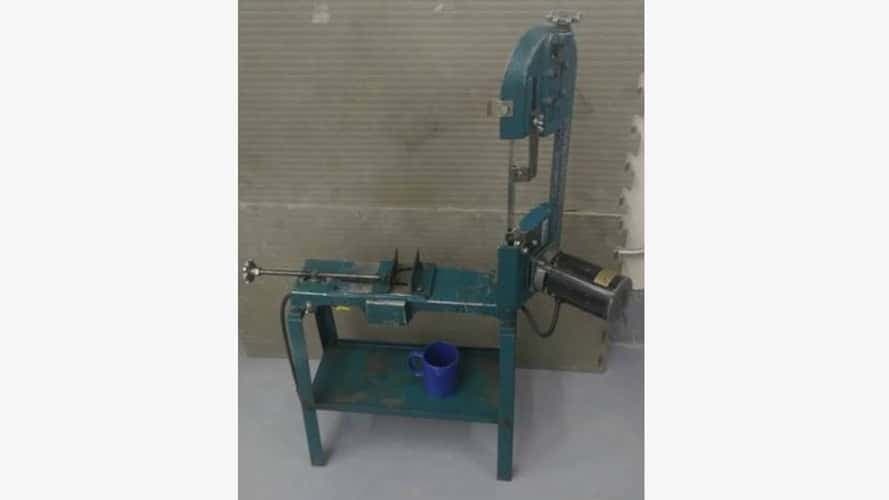
Designed for Bainbridge-305 Compatibility
Specified for the Bainbridge-305 horizontal/vertical bandsaw listing. Confirm the machine's original blade dimensions and configuration before purchasing a replacement.
42.5-Inch Blade Length
The supplied product data specifies a 42.5-inch blade length. Correct blade length is essential for proper installation, tensioning, and tracking.
1/2-Inch Blade Width
The 1/2-inch blade width provides a suitable cutting profile for compatible metal-cutting bandsaw applications. Verify that the machine's blade guides and wheel arrangement support this width.
Horizontal and Vertical Cutting Applications
The Bainbridge 305 is described in the supplied reference as a horizontal/vertical bandsaw. A correctly matched blade can support the machine's intended cutting operations.
Carbon Steel Blade Options
High-carbon steel blades are commonly used for general-purpose cutting applications. Their flexibility and tooth configurations make them suitable for compatible metalworking tasks.
Bi-Metal Blade Options
Bi-metal construction combines a flexible backing with wear-resistant cutting teeth. It can be a suitable option for demanding metal-cutting applications when approved for the machine.
Multiple Tooth Pitch Configurations
Different TPI options can be selected according to material thickness and cutting requirements. Common configurations mentioned in the supplied references include 14 TPI and 10/14 variable pitch.
Suitable for Thin Metal Stock
A finer tooth pitch, such as 14 TPI, may be appropriate for thinner tubing and sheet-like metal stock, depending on the material thickness.
Variable-Pitch Cutting Performance
A 10/14 variable-pitch configuration can help reduce harmonic vibration and noise when cutting certain mixed metal sections.
Flexible Blade Backing
A suitable blade backing must withstand repeated flexing around the machine wheels while maintaining the stability required for consistent cutting.
Efficient Chip Removal
Appropriate tooth geometry helps remove chips from the cutting area, reducing tooth loading and supporting smoother operation.
Stable Blade Tracking
Correct blade dimensions, tension, and guide adjustment help maintain consistent tracking and minimize unwanted blade movement.
Reduced Premature Wear
Selecting the correct blade material, TPI, cutting speed, and feed pressure can help reduce unnecessary tooth wear and extend blade service life.
Versatile Metalworking Applications
With the correct blade construction and tooth pitch, this configuration may be suitable for compatible steel, tubing, structural sections, and other metal stock.
Replacement Solution for Vintage Equipment
Designed for users maintaining or restoring older Bainbridge equipment. Checking the original machine specifications is particularly important when replacing blades on vintage machinery.