144-Inch Blade Length
The supplied replacement blade specification features a 144-inch overall length, equivalent to approximately 3,658 mm. Correct blade length is essential for proper installation, tensioning, and tracking. Confirm this measurement against the existing blade before purchase.
1-Inch Blade Width
The 1-inch blade width, equivalent to 25.4 mm, provides a wide cutting profile for applications requiring blade rigidity. However, the typical Type B reference lists a blade width of approximately 20 mm, so machine compatibility must be verified.
Designed for Metal Cutting
This blade specification is intended for compatible metal-cutting applications involving solid bars, pipes, tubes, and structural profiles. Select the appropriate blade construction and tooth pitch according to the material being processed.
Horizontal Swing-Arm Machine Compatibility
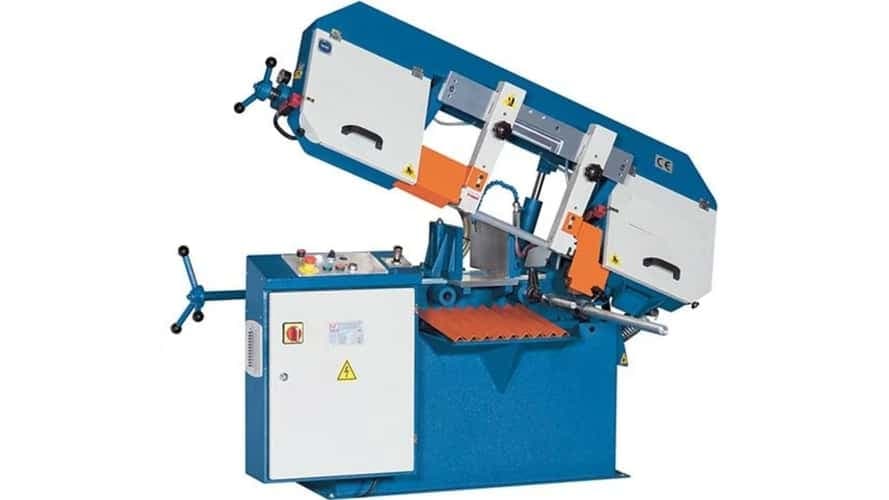
The Barson-Rollox Type B uses a horizontal pivoting saw-bow design. A correctly matched replacement blade supports the machine's intended cutting movement and helps maintain consistent blade tracking.
Roller-Guided Blade Assembly
The Rollox blade-guide arrangement uses adjustable roller guides to support the blade and help maintain alignment during cutting. Proper guide adjustment is important for reducing blade twisting and unwanted movement.
Gravity and Counterbalanced Feed Compatibility
The typical Type B machine uses a gravity- or spring-counterbalanced feed mechanism, with some variants potentially incorporating hydraulic damping. Correct blade selection and feed adjustment help maintain consistent cutting pressure.
Supports Miter-Cutting Applications
The machine's swivel clamping vise is designed to accommodate angled workpiece positioning, typically up to 45 degrees. A suitable replacement blade can support straight and angled cutting operations within the machine's capabilities.
Multi-Speed Drive Compatibility
The Type B reference describes a stepped V-belt pulley transmission with multiple selectable speeds. Choosing an appropriate blade tooth configuration and machine speed helps match cutting conditions to the material.
Automatic End-of-Cut Shutoff Compatibility
The referenced machine design includes a mechanical limit switch that stops the motor when the saw bow completes its cutting cycle. A correctly installed blade supports normal machine operation.
Suitable for Different Metal Profiles
With the correct blade material and tooth pitch, this blade specification can be selected for compatible mild steel, stainless steel, aluminum, brass, tubing, pipes, and solid metal stock.
Multiple Tooth Pitch Options
Tooth pitch should be selected according to the material type and thickness. Coarser pitches generally suit thicker solid stock, while finer or variable pitches can be appropriate for thinner tubing and profiles.
Stable Blade Tracking
Correct blade tension, roller-guide adjustment, wheel condition, and machine alignment help maintain accurate blade tracking and reduce unwanted blade movement.
Efficient Chip Removal
Selecting the appropriate tooth geometry and pitch helps remove chips from the cutting area, reducing tooth loading and supporting consistent cutting performance.
Reduced Premature Blade Wear
Appropriate cutting speed, feed pressure, tooth selection, and blade tension can help reduce excessive tooth stress and premature blade wear.
Compatibility Check for Legacy Equipment
The supplied product dimensions are 144 inches × 1 inch, while the typical Type B reference lists approximately 2,450 mm × 20 mm. These measurements differ substantially. Verify the exact machine variant and existing blade dimensions before treating this product as a direct replacement.