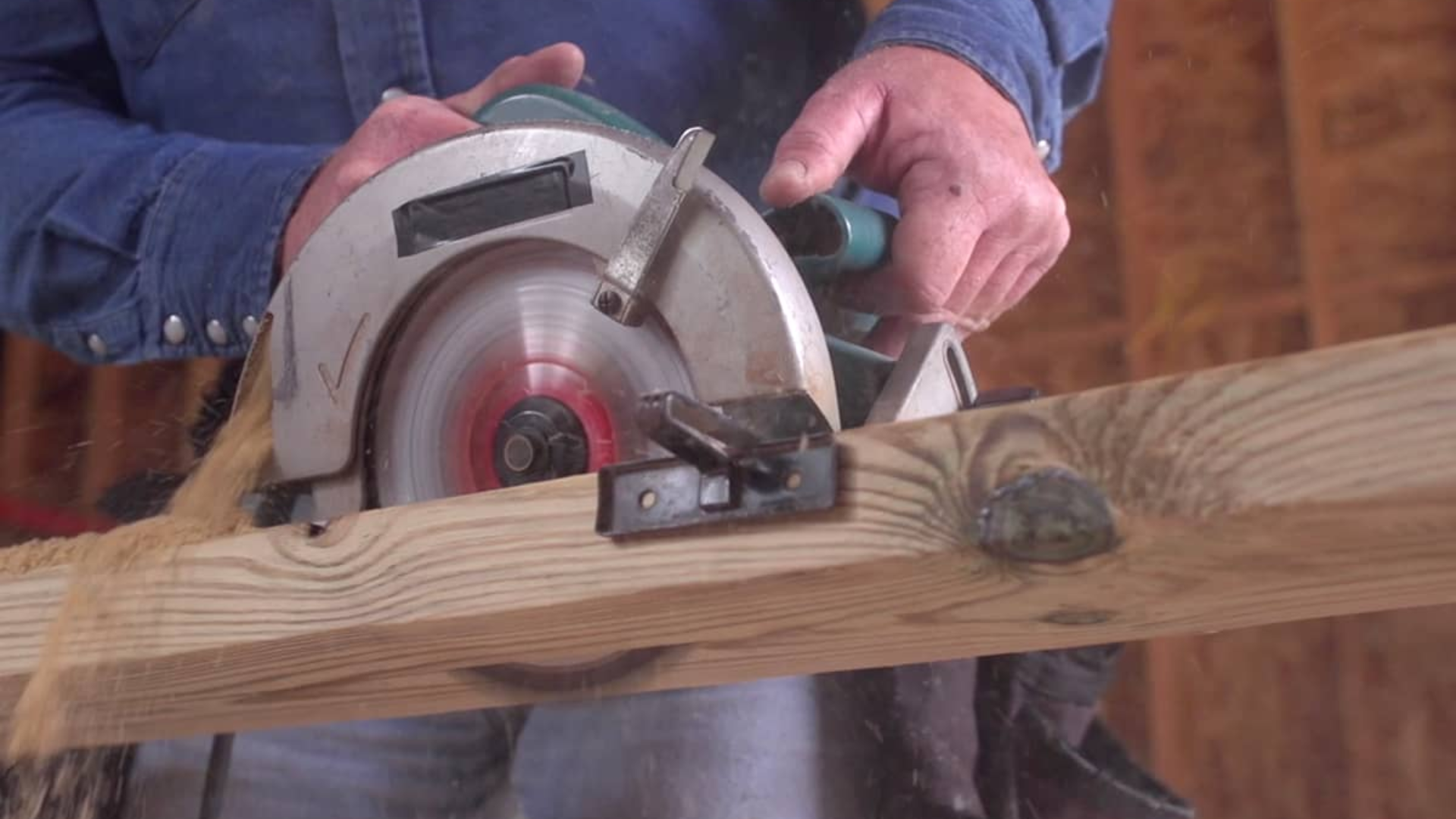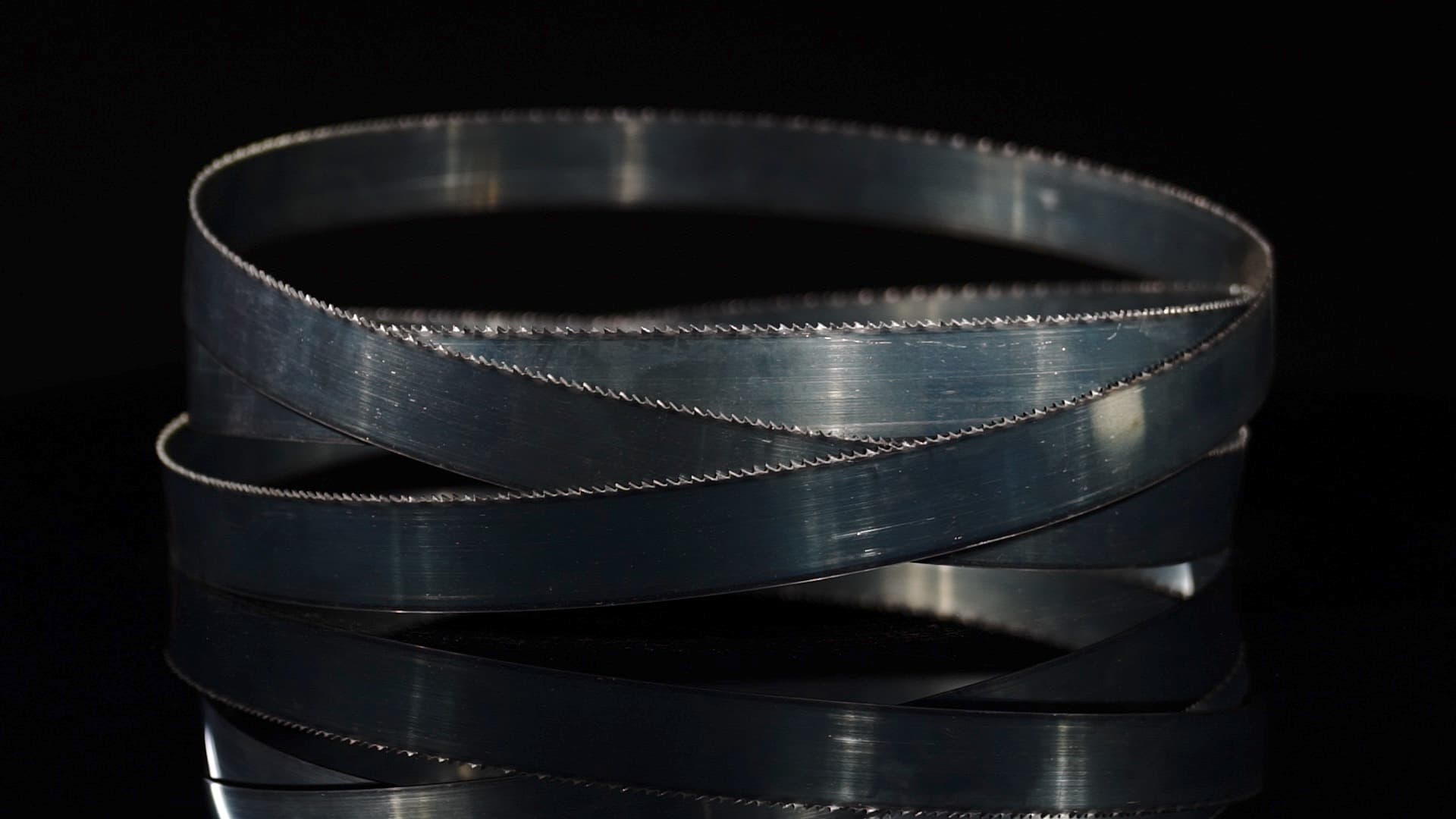
Selecting the right circular saw blade can make the difference between a smooth, professional-looking cut and a rough, inefficient one. Whether you’re building furniture, cutting plywood sheets, or trimming hardwood, the blade you choose determines the accuracy, speed, and finish of your work. This guide breaks everything down in simple, practical language so you can confidently pick the best blade for your next project.
Why the Right Circular Saw Blade Matters
Choosing a suitable blade is not just a technical detail. It directly affects your work quality, efficiency, and even the life of your saw.
Better Cutting Precision
A properly matched blade cuts cleaner, straighter, and with less effort. This means fewer splinters, less sanding, and more accurate woodworking.
Tip: If you often struggle with tear-out on plywood, the issue is usually the blade, not the material.
Longer Tool Lifespan
Using the wrong blade forces the saw motor to work harder, heats up the blade faster, and wears out the teeth prematurely. The correct blade protects your saw and reduces long-term costs.
Understanding Circular Saw Blades: The Basics
Before you select a blade, it helps to understand how blades work and why their design matters.
1. Blade Diameter
Most circular saws use a 7-1/4 inch blade, but check your saw’s manual. Using the correct diameter ensures proper depth capacity and safety.
2. Tooth Count (TPI)
Tooth count affects both speed and finish.
24-tooth blades: Fast cuts, ideal for ripping along the grain
40–60 tooth blades: Balanced for general wood cutting
80+ tooth blades: Fine, smooth cuts for plywood or laminates
Analogy: Think of teeth like sandpaper grit. Fewer teeth = coarse grit (fast but rough). More teeth = fine grit (smooth but slower).
Tip: If you want a blade for all-purpose household woodworking, a 40-tooth blade strikes the best balance.
3. Tooth Geometry
The shape of the teeth affects how the blade meets the wood:
ATB (Alternate Top Bevel): Great for clean crosscuts
FTG (Flat Top Grind): Strong, fast ripping cuts
TCG (Triple Chip Grind): Good for dense materials like MDF
4. Kerf Size
Kerf refers to the thickness of the cut the blade makes.
Thin kerf (1.5–2 mm): Less resistance, good for low-powered saws
Full kerf: More stable, preferred for heavy-duty cutting
Tip: If your saw feels like it struggles during cuts, switching to a thin-kerf blade often solves the problem instantly.
5. Blade Material
Carbide-tipped blades stay sharp much longer than steel blades. Most quality woodworking blades today are carbide-tipped for durability and performance.

Types of Cuts and the Best Blade for Each
Understanding the type of cut you need helps narrow down your blade choice.
Rip Cuts
Cutting along the grain requires speed and power.
Use: 24-tooth FTG blade
Crosscuts
Cutting across the grain requires smoothness and precision.
Use: 40–60-tooth ATB blade
Plywood and Veneer
Thin layers splinter easily.
Use: 80-tooth or higher fine-finish blade
Laminates, MDF, and Composites
Dense materials require strong, durable teeth.
Use: TCG carbide blade
Tip: If you're unsure what material comes next, keep one general-purpose 40-tooth blade and one fine-finish 80-tooth blade on hand.
How to Choose the Best Blade for Your Project (Step-by-Step)
Step 1: Identify the Material
Hardwood, plywood, softwood, MDF, or laminate? Each behaves differently.
Step 2: Decide on the Type of Cut
Crosscut, rip cut, or multi-purpose.
Step 3: Check Your Saw’s Requirements
Confirm diameter and arbor size.
Step 4: Evaluate Finish Quality
Do you need furniture-grade edges or rough framing cuts?
Step 5: Choose Tooth Count and Geometry
Match to your cut type for best results.

Best Practices for Using Circular Saw Blades
Keep the Blade Clean
Sap and resin buildup reduces cutting performance. Clean blades regularly with a blade cleaner or warm soapy water.
Monitor Blade Sharpness
A dull blade burns wood, tears fibers, and stresses your saw. If cutting begins to feel slow or rough, it’s time to sharpen or replace.
Use Proper Cutting Technique
Let the saw do the work. Forcing the cut can overheat and damage the blade.
Store Blades Properly
Hang them or use blade cases to prevent chipping.
Tip: Mark blades with a permanent marker (e.g., “Fine cut,” “Ripping”) to quickly identify them during projects.
Common Mistakes to Avoid
Using one blade for every task
Ignoring tooth geometry
Forgetting to check the saw’s RPM rating
Cutting hardwood with a low-tooth-count framing blade
Using dull blades for precision work
Conclusion
Choosing the right circular saw blade becomes simple once you understand the basics of blade design, tooth geometry, and material compatibility. A well-matched blade gives you cleaner cuts, saves time, protects your saw, and improves the overall quality of your woodworking.
If you approach blade selection like choosing the right tool for each job, every project becomes smoother, safer, and more enjoyable.