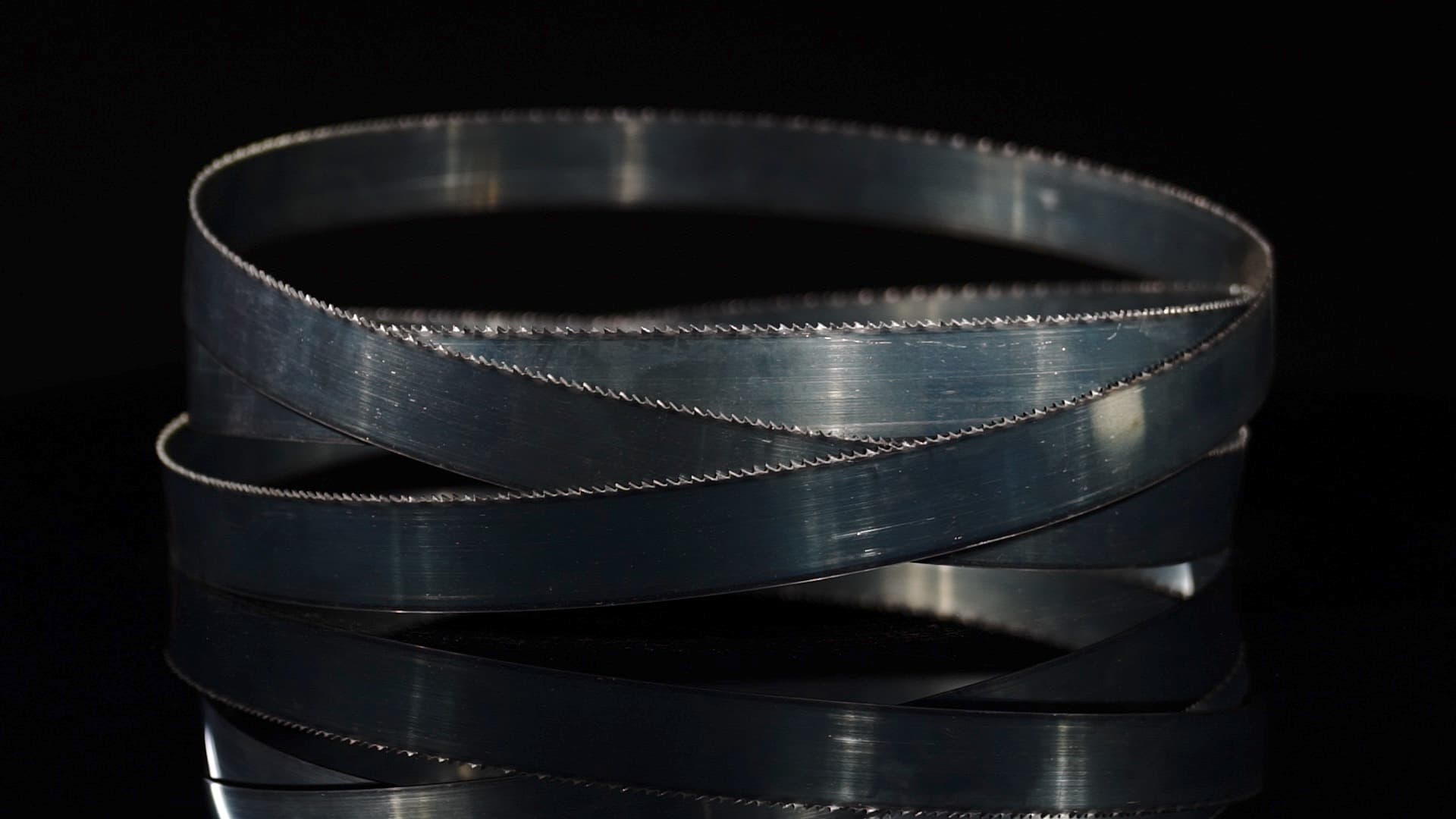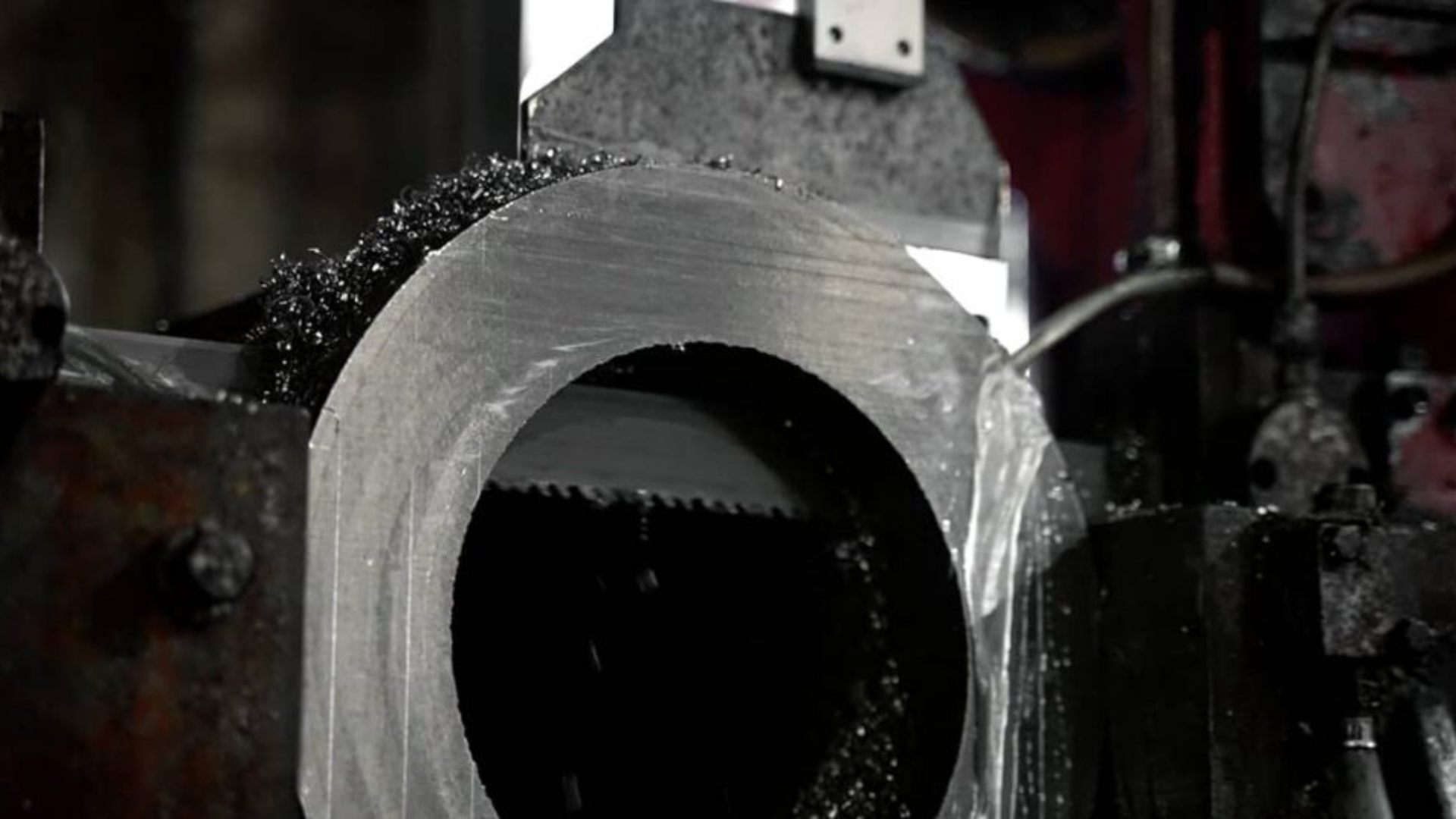
At first glance, metal forming and band saw cutting may seem like two different worlds—one reshapes metal without removing material, while the other cuts through it. But in reality, these processes are deeply connected and often depend on each other to deliver accurate, ready-to-use metal components.
Think of metal forming and band saws like a bakery and a bread slicer. The bakery shapes the dough (forming), and the slicer cuts it cleanly into usable slices (band saw cutting). One shapes the raw material, the other prepares it for real-world use.
In this guide, we’ll break down how these two processes complement each other, how to choose the right blades for formed materials, and simple best practices you can apply right away.
What Is Metal Forming?
Metal forming is the process of reshaping metal without adding or removing material. The metal’s internal structure stays the same; only its shape changes.
Common shapes created through metal forming include:
Plates
Sheets
Rods
Tubes
Structural sections (I-beams, channels, angles)
These shapes become the “raw stock” that band saws later cut for manufacturing, fabrication, machining, and construction.
Where Band Saws Fit In
Once the metal has been formed into usable shapes, companies often need to:
Cut it down to size
Trim excess sections
Prepare precise lengths
Make angle or structural cuts
How Band Saws Support Metal Forming Operations
Band saws don’t just cut metal—they help make metal forming more efficient, more precise, and more productive.
1. Handling a Wide Range of Formed Shapes
Metal forming produces everything from tiny rods to massive I-beams. A band saw can handle all of these because it’s a capacity-type machine.
It can cut:
Small solids
Thick plates
Large tubes
Complex structural profiles
Analogy:
A band saw is like a multi-tool—it adapts to the shape in front of it, whether it’s simple or complicated.
Tip: When cutting formed metal shapes, always position the workpiece to cut through the thinnest section first. This reduces strain and keeps the blade running smoothly.
2. Cutting Structural Shapes With Better Accuracy
Structural materials like channels, angles, and beams can be tough to cut because of irregular geometry. Getting a clean angle requires stability and blade clearance.
Band saws are ideal here because they:
Reduce vibration
Provide controlled cutting speed
Offer accurate miter adjustments
Maintain stable blade tracking
Tip: Use a band saw with a rigid frame and strong vise to prevent twisting when cutting large structural materials.
3. Matching Blade Type to the Material Composition
Not all steels are the same—and neither are all blades.
Different steels require different blade types depending on hardness, thickness, and cross-section.
Examples of Blade Selection Needs
Mild steel: general-purpose bi-metal blade
Hardened steel: M42 cobalt blades
Large cross sections: heavy-set tooth designs
Tubing or thin-walled materials: higher TPI (teeth per inch) to avoid snagging
Tip: The harder the steel, the more cobalt your blade should have. Cobalt adds heat resistance and helps maintain tooth shape.
Essential Variables in Cutting Formed Metals
To cut metal accurately after forming, operators must manage several key variables.
1. Size and Shape of the Workpiece
Smaller solids and complex shapes can be more challenging because they create uneven cutting pressure.
What to watch for:
Pinching on odd-shaped pieces
Blade wandering on circular material
Extra load when cutting thick sections
Tip: For odd-shaped formed materials, use support blocks or fixtures to stabilize the workpiece.
2. Cutting Through the Thinnest Point
Band saw blades perform best when they encounter consistent resistance. Cutting through a thick section first can overload the blade.
Tip: Orient structural shapes so the blade enters the smallest cross-section first—for example, cutting an angle iron with the V facing up.
3. Heat Management
Formed steel often retains internal stress and can generate heat quickly during cutting. Using the right coolant flow is essential.
Tip: If you see blue chips or smoke, reduce speed and increase lubrication immediately.
Why the Right Band Saw Blade Matters
A good metal forming operation is only as effective as the cut that prepares the material for the next step. That’s why choosing the right blade is crucial.
High-performance blades with cobalt (such as M42 alloy) are preferred because they:
Resist heat
Maintain sharpness longer
Reduce tooth chipping
Improve straightness in large cross-sections
Tip: If you frequently cut large structural shapes, choose a blade with a heavy-set tooth design for extra clearance.
Step-by-Step Guide: Cutting Formed Metal Correctly
1. Identify the type of formed metal
Know whether it’s a plate, tube, channel, angle, or rod.
2. Select the proper blade
Match TPI, material hardness, and tooth pattern.
3. Position the workpiece properly
Always align for the thinnest entry point.
4. Set cutting speed and feed rate
Harder materials = slower speed
Thin materials = lighter feed
5. Use effective coolant
This reduces friction, extends blade life, and prevents overheating.
6. Check blade tension and tracking
Incorrect tension causes drift and poor finish.
7. Secure the workpiece
Movement during cutting leads to inaccurate results.
Tip: A clean, straight cut starts long before the blade touches the metal—setup is half the battle.
Putting It All Together: Metal Forming + Band Saw Cutting
Metal forming creates the shapes manufacturers need—and band saws make those shapes usable. When these two processes work together effectively, shops experience:
Higher productivity
Reduced scrap
Cleaner cuts
Longer blade life
Faster turnaround
Better overall product quality
In short, metal forming prepares the material, and band saws perfect it.