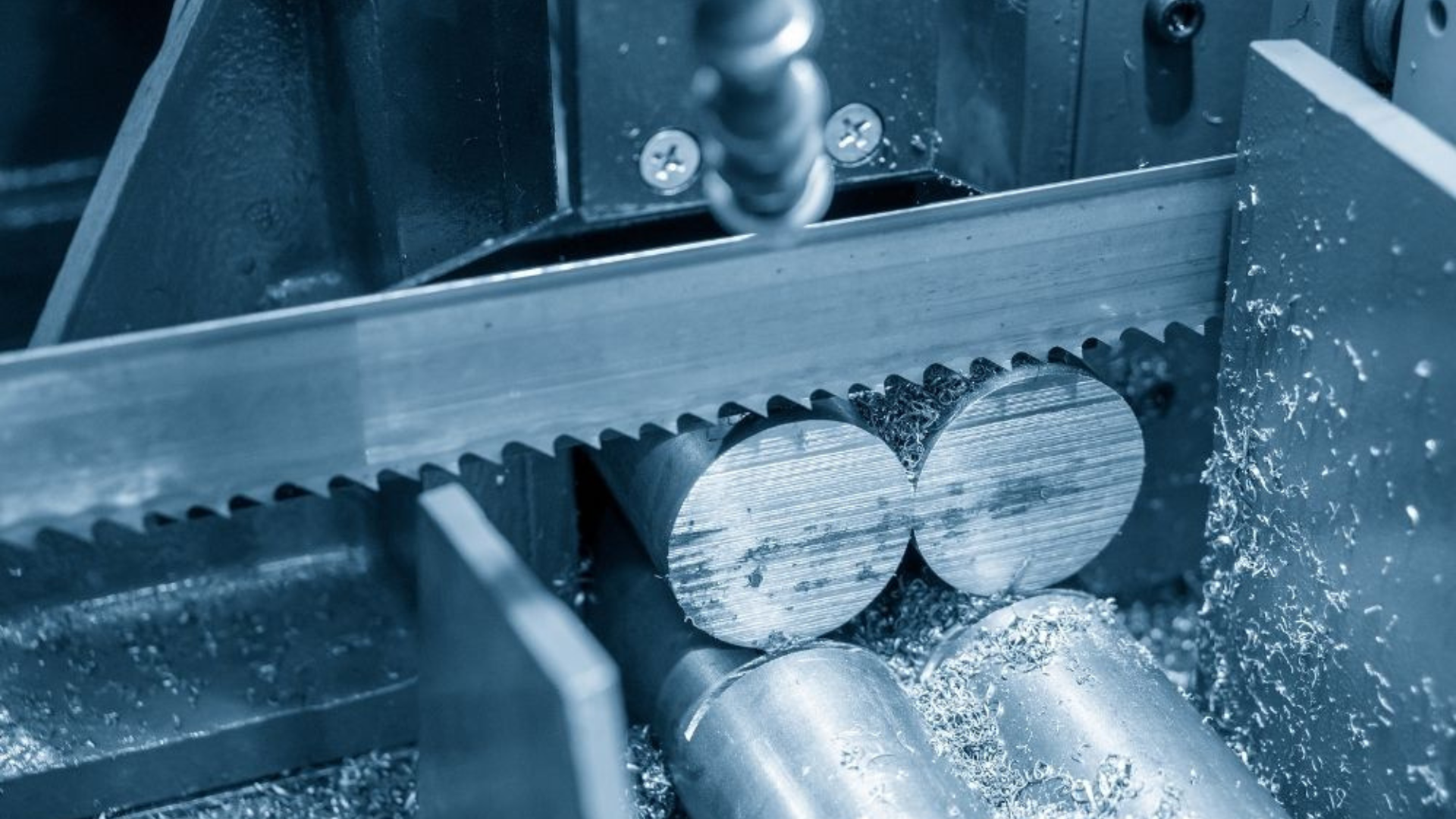
Precision cutting isn’t just a “nice-to-have”—it’s the backbone of quality manufacturing, fabrication, woodworking, and metalworking. Whether you’re building aircraft components, preparing structural steel, or crafting detailed wooden designs, precision determines how well your project turns out and how efficiently you get there.
Think of precision as the difference between sketching with a blunt pencil versus a sharpened one. The sharper your tools and techniques, the cleaner and more accurate the result.
In this article, we’ll break down what precision cutting really means, why it matters, and practical steps you can take to achieve it consistently, even if you're not yet an expert.
What Is Precision Cutting?
Precision cutting refers to producing cuts that are accurate, repeatable, and consistent. It’s not just about cutting straight lines—it’s about achieving the exact dimensions, angles, and finishes required for a specific application.
Why It Matters
Ensures parts fit together without gaps
Reduces material waste
Minimizes rework and scrap
Improves overall product performance and safety
Saves time and cost during production
Tip: If you want to think like a precision engineer, start treating every cut as part of a bigger system—accuracy on one part affects the entire assembly.
Why Band Saws Are Ideal for Precision Cutting
Band saws have become a go-to tool in fabrication shops because they combine versatility, speed, and precision in a single machine.
1. Wide Range of Applications
Band saws come in horizontal, vertical, manual, and automatic models—so there’s always a machine suited to the job. They can handle:
Thick or thin stock
Hard or soft metals
Wood, composites, and even plastics
2. Ability to Execute Multiple Cutting Techniques
A single band saw can perform:
Straight cuts
Angle cuts
Notches
Tight curved profiles
This makes them perfect for intricate jobs where other saw types fall short.
3. Built-In Stability for Accurate Cuts
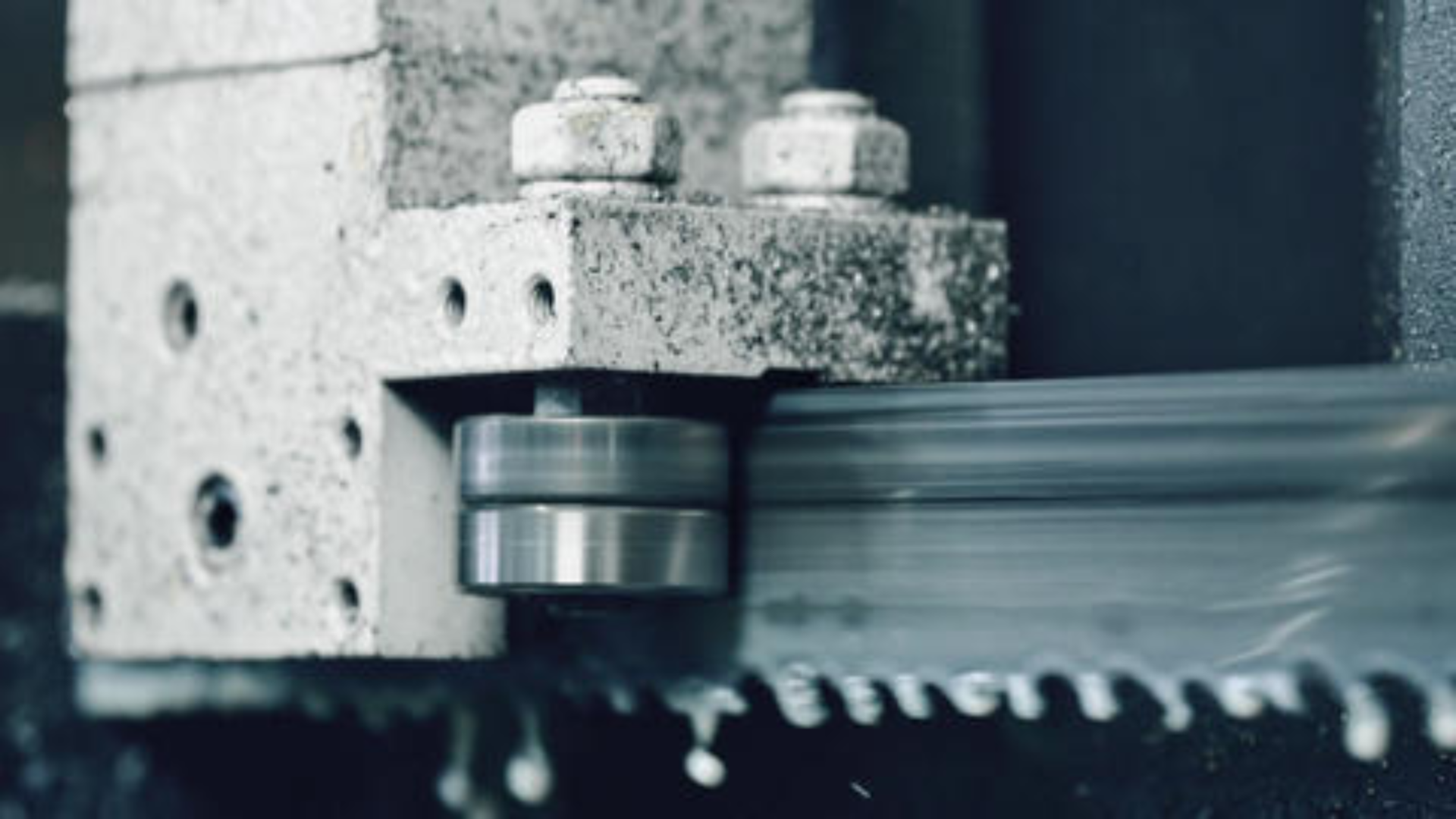
Compared to table saws or radial arm saws, a quality band saw offers more blade stability thanks to its continuous loop design and slower cutting speed. This reduces vibration—one of the biggest enemies of precision.
Tip: If your cuts are drifting, check blade tension. Under-tensioned blades wander like a car with loose steering.
Why Precision Cutting Matters in Manufacturing and Fabrication
Let’s peel back the layers and see how precision affects your bottom line.
1. Better Fit and Finish
Components with accurate cuts align easily—no forcing, grinding, or filling required.
Analogy: It’s like building Ikea furniture. If one piece is slightly off, the whole structure becomes shaky.
2. Faster Production With Less Rework
Every inaccurate cut means additional cutting, grinding, or re-fabrication. Precision eliminates that cycle.
3. Reduced Material Waste
Metal, hardwood, and composites aren’t cheap. Precision helps you maximize every inch.
4. Improved Customer Satisfaction
When your finished product looks perfect and functions perfectly, customers notice. Precision increases trust and repeat business.
Practical Precision Cutting Tips You Can Use Today
1. Keep at Least Three Teeth in Contact With the Material
This is one of the golden rules of band saw operation.
It ensures:
Smooth feed
Reduced vibration
Cleaner, straighter cuts
Tip: If you hear the blade “chattering,” you likely don’t have enough teeth engaged.
2. Choose the Right TPI (Teeth Per Inch)
TPI determines the balance between speed and smoothness:
Higher TPI (more teeth): smoother but slower
Lower TPI (fewer teeth): faster but rougher
Tip: For mixed materials, start with a medium TPI blade (6–10 TPI) and adjust based on the cut quality.
3. Use a High-Quality Blade and Maintain It Regularly
A premium blade reduces:
Heat buildup
Tooth stripping
Cut deviation
Tip: If your blade burns through material instead of slicing, it's time to replace it.
4. Secure the Workpiece Properly
Movement during cutting = flawed cuts.
Use vises, clamps, or fixtures to lock the material in place.
Tip: Mark your material clearly—double-checking the line before cutting saves hours of rework.
5. Adjust Feed Rate and Cutting Speed
Every material has a sweet spot.
For example:
Hard steels need slower speeds
Softer metals or wood can be cut faster
Tip: Too fast = blade wear
Too slow = heat buildup
Find the middle ground.
6. Check Blade Tension and Tracking
Improper blade tension causes drift, while misalignment affects cut quality.
Tip: Many modern band saws have built-in tension meters—use them every time.
Precision Cutting: The Real Recipe for Success
Achieving precision isn’t about a single machine or technique. It’s the combination of a quality band saw, a sharp blade, and a skilled operator who understands the variables.
When all elements align:
Your cuts are accurate
Your workflow becomes faster
Your waste decreases
Your customer satisfaction increases
It’s a win-win for both manufacturers and end users.