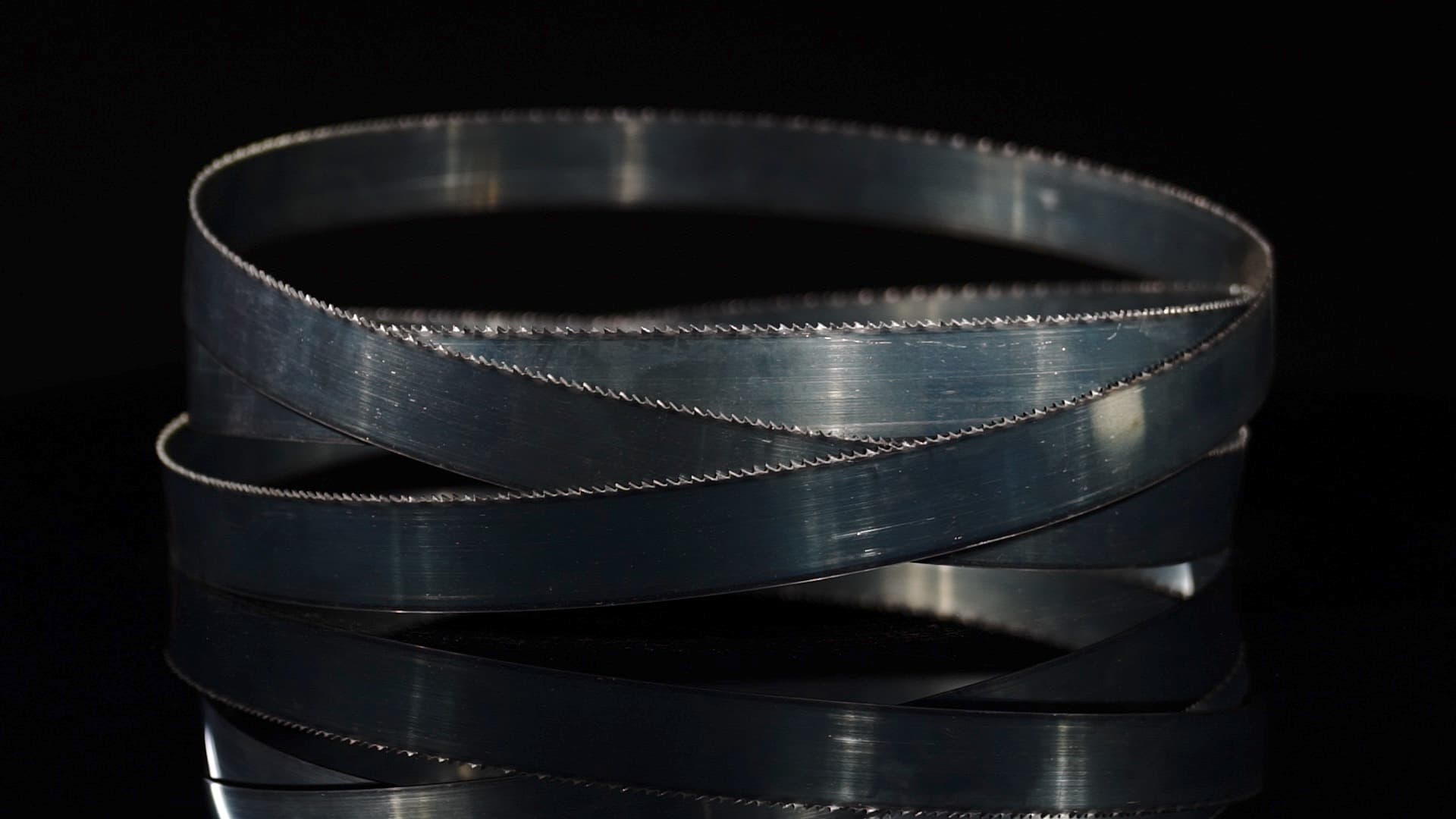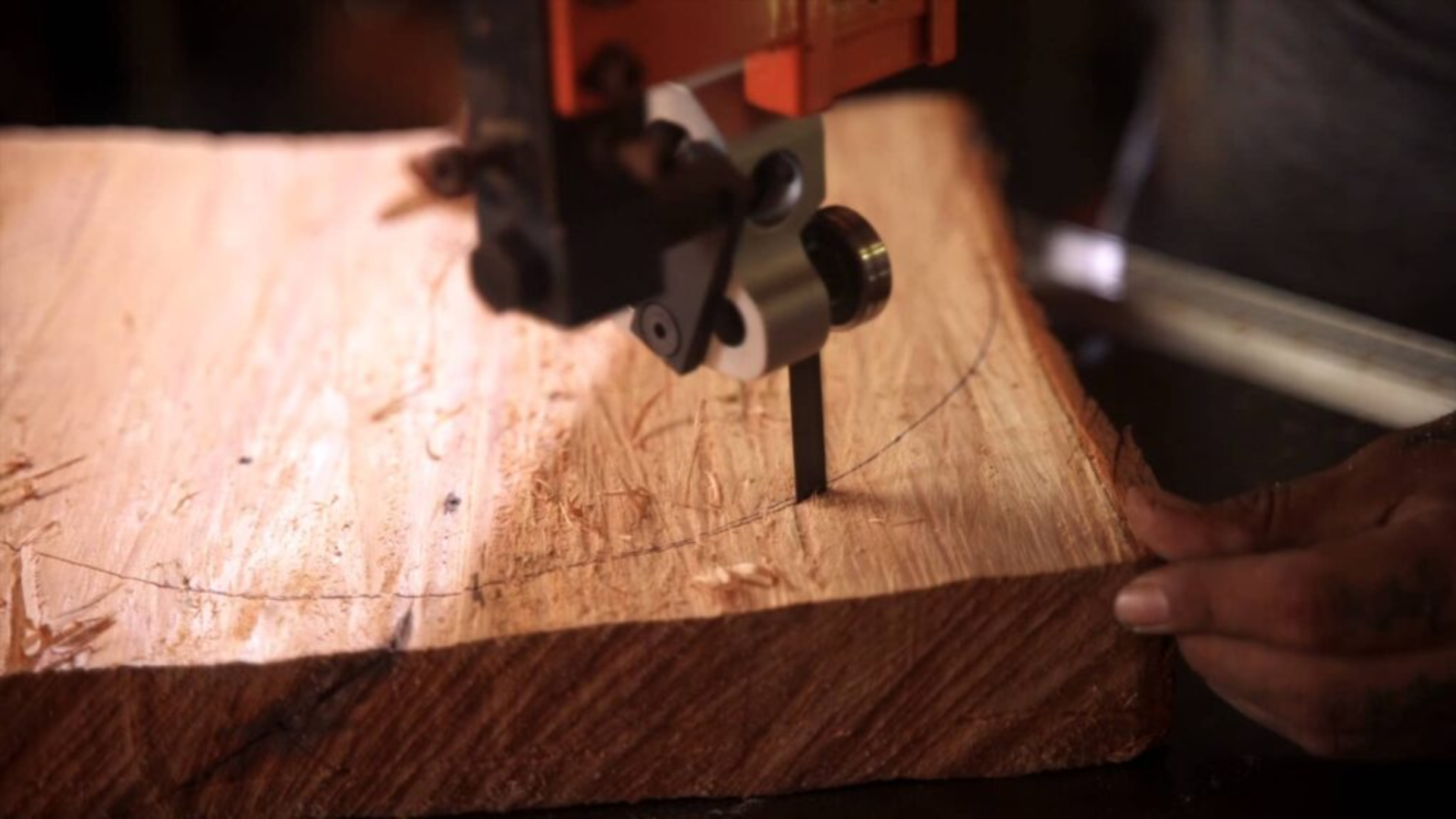
When it comes to woodworking, your saw is only half the story—the blade is what truly decides how clean, smooth, and accurate your cut will be. Think of it like cooking: even the best chef can’t slice tomatoes cleanly with a dull knife. The same principle applies to saw blades.
Whether you’re using a bandsaw for curved cuts or a circular saw for fast, straight rip cuts, choosing the right blade can make the difference between a perfect finish and a frustrating rework session.
In this article, we’ll break down how blades influence your wood cut, how to choose the right one, and practical tips to get pro-level results—even if you’re a beginner.
How Your Blade Shapes the Quality of the Cut
1. Tooth Design and Count (TPI)
TPI (Teeth Per Inch) directly affects both the speed and smoothness of your cut.
High TPI = smoother cuts, slower cutting speed
Low TPI = faster cuts, rougher finish
Think of it like a comb:
A fine-tooth comb (high TPI) gives precision, while a wide-tooth comb (low TPI) moves faster but with less detail.
Tip: When cutting hardwood or doing finish work, choose a higher-TPI blade for clean results.
2. Blade Material: Carbon vs Carbide
Your blade material determines its durability, sharpness retention, and cutting power.
Carbon blades
Affordable, flexible, great for general woodworking and curves.Carbide-tipped blades
Extremely durable, stay sharp longer, perfect for thick hardwood and high-speed cutting.
If you're working long hours or cutting dense wood like teak or maple, carbide is a game changer.
Tip: Carbide blades last up to 10x longer than standard carbon blades—worth the investment if you cut wood frequently.
Bandsaw Blades vs. Circular Saw Blades
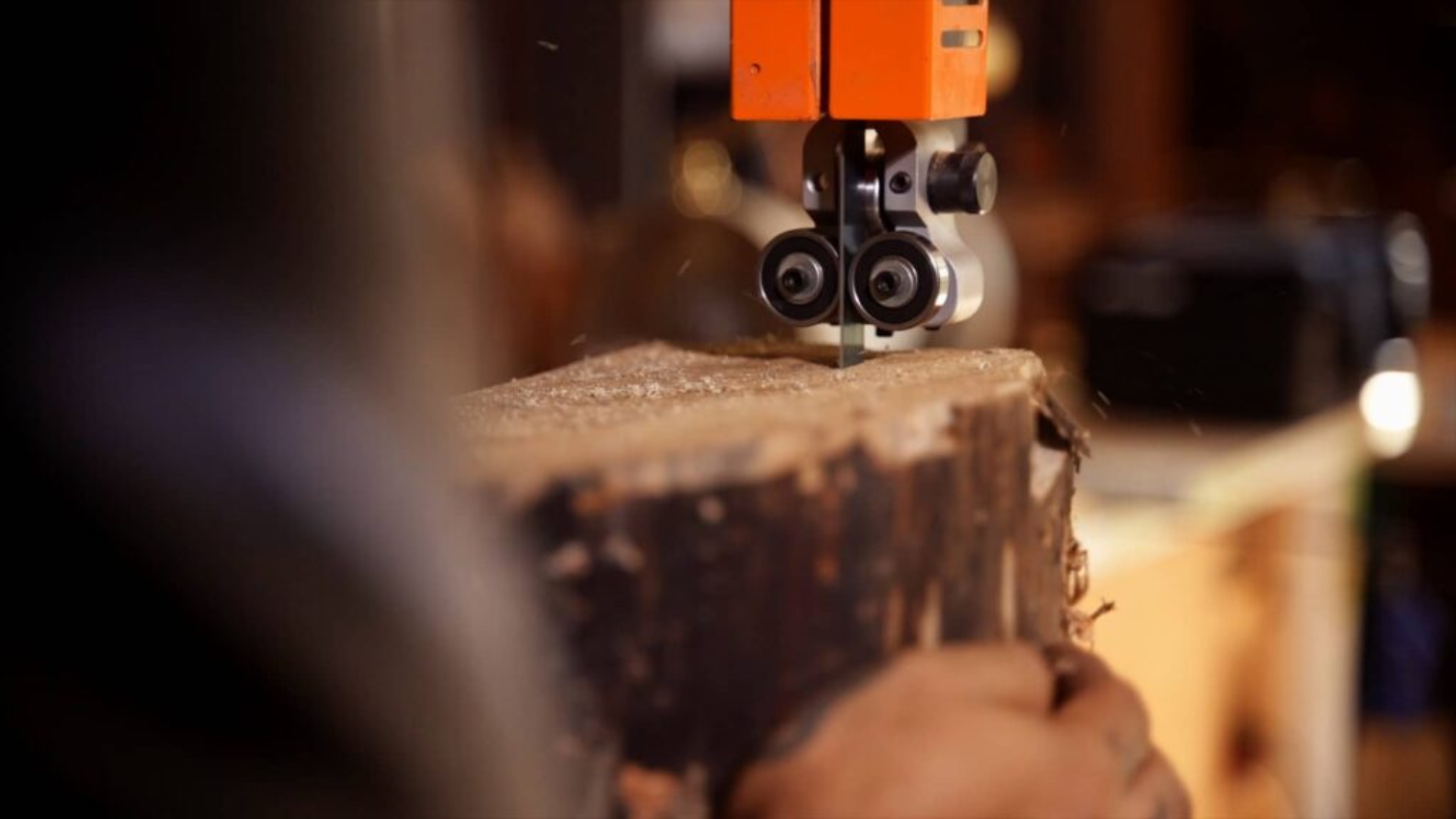
Bandsaw Blades: Best for Curves & Resawing
Bandsaw blades are long, flexible, and perfect for:
Cutting curves and irregular shapes
Resawing thick lumber into thinner boards
Smoother finishes on slow, controlled cuts
A good example of performance-focused bandsaw blades are flexible-back carbon blades used for precision and workshop versatility.
Tip: For resawing (cutting boards into thinner slices), choose a wide blade with low TPI for straighter tracking and faster results.
Circular Saw Blades: Best for Straight & Fast Cuts
Circular saw blades are ideal when you want:
Straight, fast rip cuts
Smooth crosscuts
Efficient cutting in framing or carpentry work
Carbide circular saw blades—like high-performance industrial carbide blades—shine in speed, durability, and consistency.
Tip: If you use a circular saw daily, pick a carbide-tipped blade to avoid frequent sharpening.
Why the Right Blade Matters So Much
Cleaner Finish
A blade built for fine cuts reduces splintering, burning, and tear-out—saving you sanding time.
Longer Tool Life
The right blade reduces motor strain, preventing premature wear on your saw.
Better Accuracy
From furniture making to carpentry, blade choice affects alignment, tracking, and final measurements.
Safety
Blades designed for specific tasks reduce kickback and binding—keeping your workflow safe and smooth.
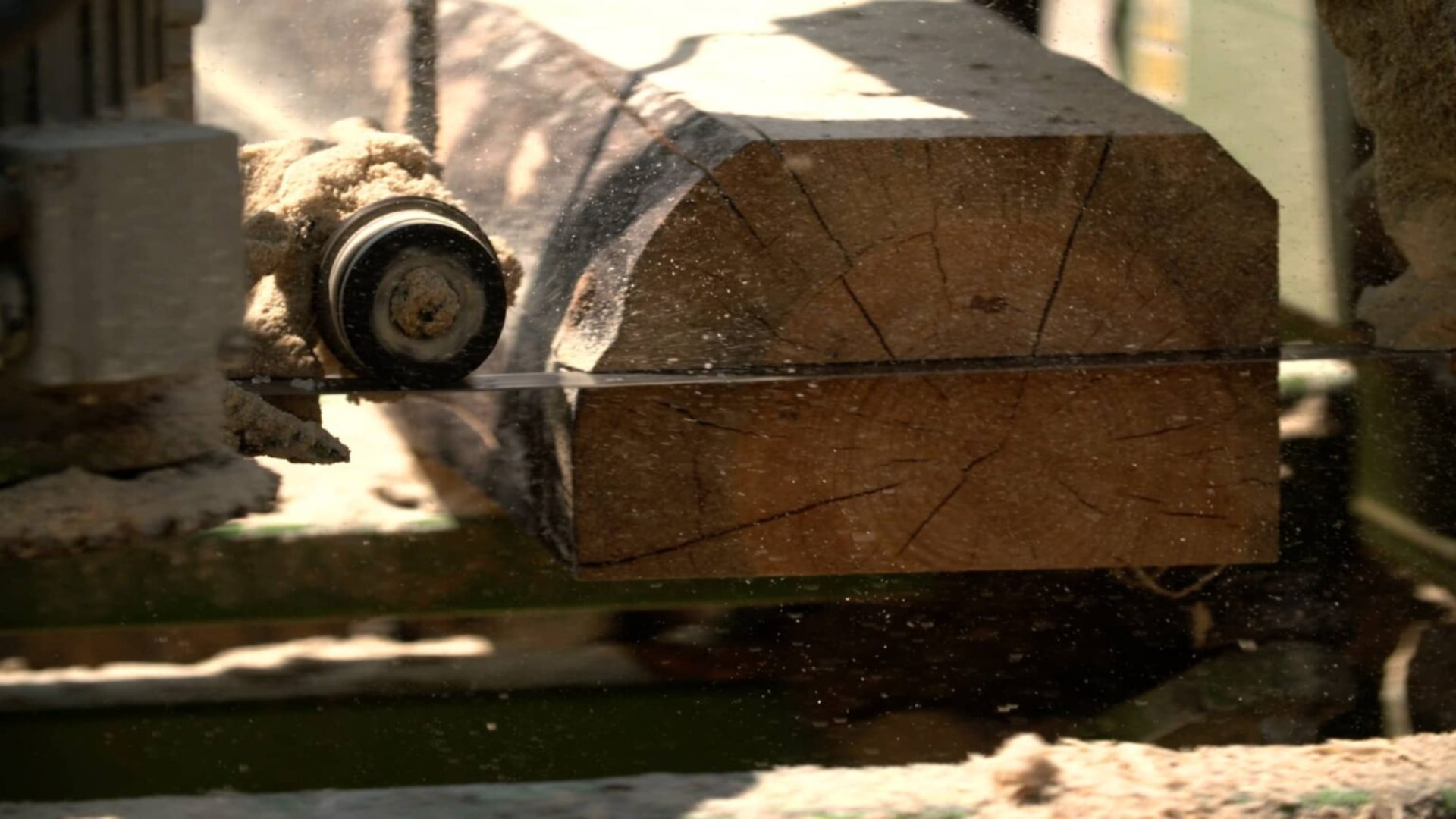
Choosing the Right Blade: A Practical Step-by-Step Guide
Step 1: Identify Your Cut Type
Curves & irregular shapes → Bandsaw
Straight & fast cuts → Circular saw
Step 2: Select Proper TPI
Fine finish → high TPI (14–24)
General cutting → medium TPI (6–10)
Fast ripping or resawing → low TPI (2–4)
Step 3: Match Blade Width
Narrow blades = tight curves
Wide blades = straight cuts
Step 4: Choose Blade Material
Carbon for everyday use
Carbide for longevity and heavy-duty work
Step 5: Maintain Proper Tension and Cleanliness
A clean, well-tensioned blade cuts straighter and lasts longer.
Tip: Resin and pitch buildup makes even a sharp blade feel dull—clean blades after every session.
Best Practices for Getting the Perfect Wood Cut
1. Slow Down When It Matters
High-density wood needs slower feed speed to avoid burning or wandering cuts.
2. Let the Blade Do the Cutting
Applying too much force leads to crooked cuts and overheated blades.
3. Check for Dullness Early
A dull blade:
Drifts off the line
Leaves burn marks
Makes your saw work harder
Tip: If you see smoke, you’re pushing too hard or the blade is dull.
Conclusion: The Blade Makes All the Difference
If you want better woodworking results, smoother finishes, and more predictable cutting—start with your blade. From the tooth count to the material and blade type, each detail plays a pivotal role in the final cut.
Choose wisely, maintain your blades, and your saw will reward you with clean, accurate cuts every time.