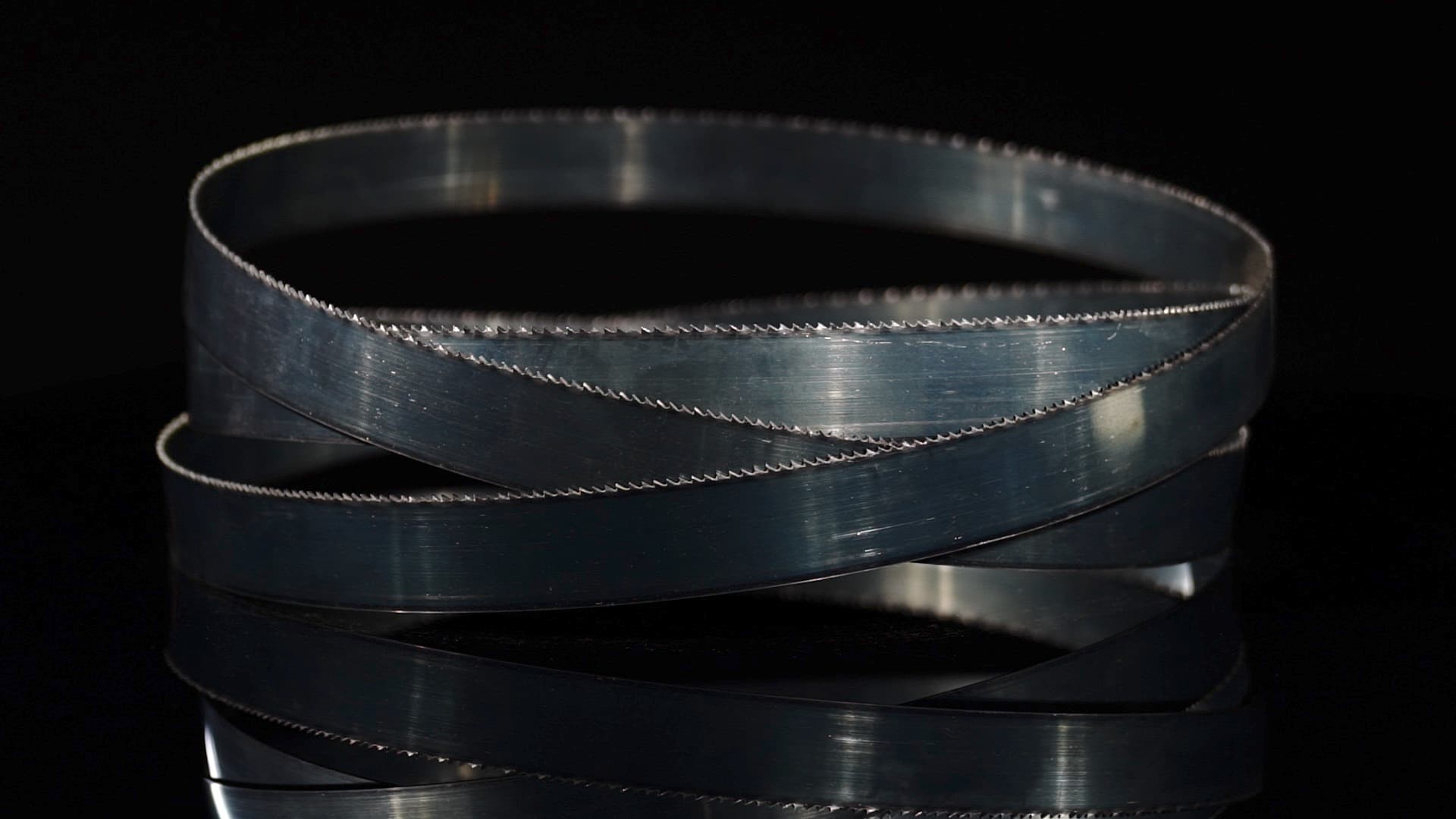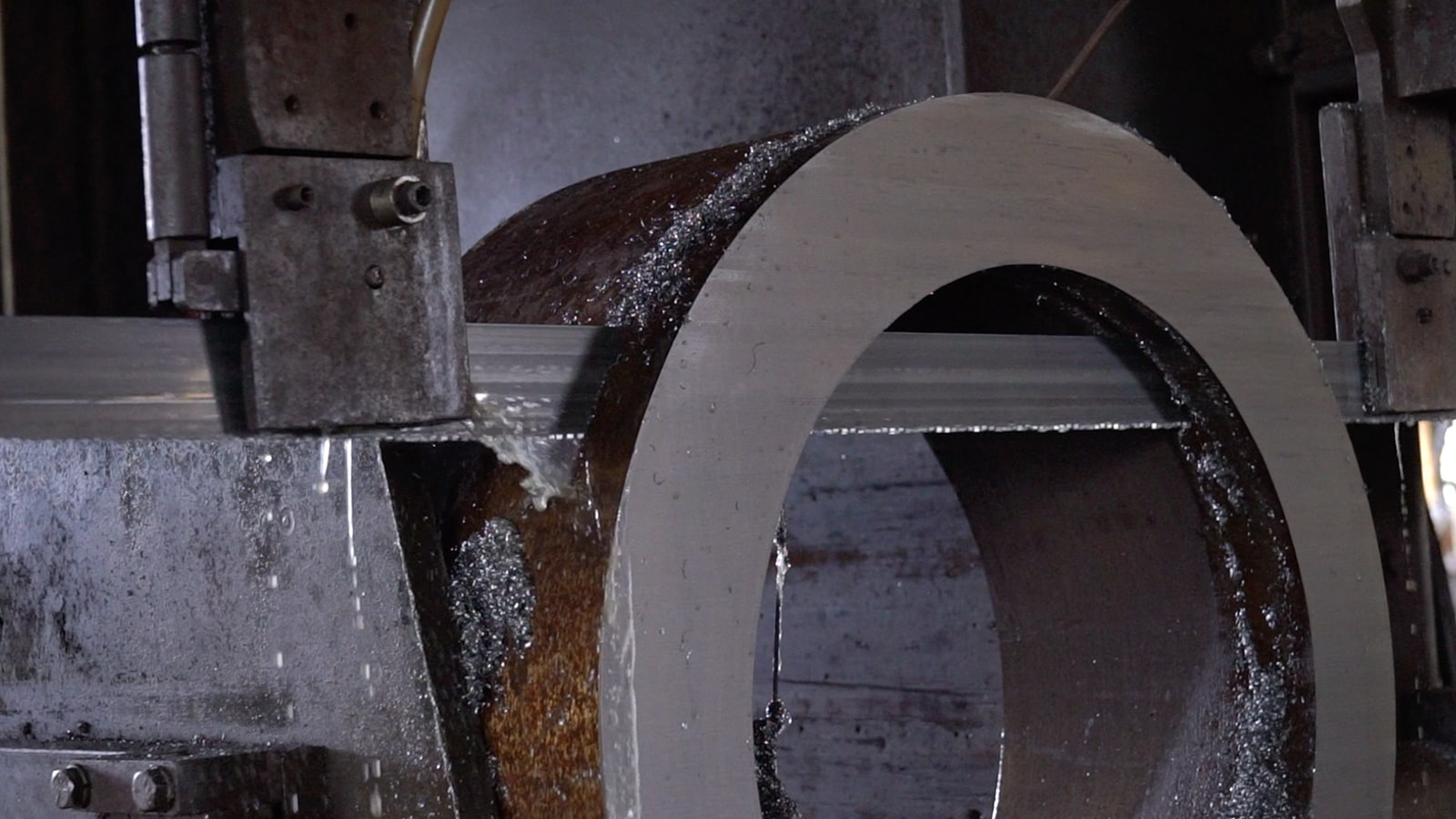
Why Proper Break-In Matters
Breaking in a new bandsaw blade is more than a simple setup step—it's a key factor in achieving long, predictable blade life and consistent performance. A freshly installed blade has sharp, unworn edges that benefit greatly from a controlled, gradual introduction to cutting forces.
Just as a new knife performs better after honing, or a sharpened pencil is less prone to snapping when handled gently, a bandsaw blade becomes stronger and more reliable when eased into full production. Proper break-in reduces the risk of premature tooth damage, crooked cutting, and stripping, while helping you get the most value and performance out of every blade.
Below are common and highly effective break-in procedures that help ensure your blade reaches its full cutting potential.
Break in Procedures
Procedure 1
Set blade speed according to cut charts or manufacturer recommendations.
Reduce feed pressure and/or head drop rate by approx. 25% for the first 100 square inches of cutting.
Procedure 2
Match blade speed to the size and material being cut.
Reduce feed force to the lowest level that still produces chips.
Increase feed gradually until normal cutting rate is reached.
Procedure 3
Begin with blade speed and feed force reduced by 25%.
Slowly increase both settings until full production speed and feed are achieved.