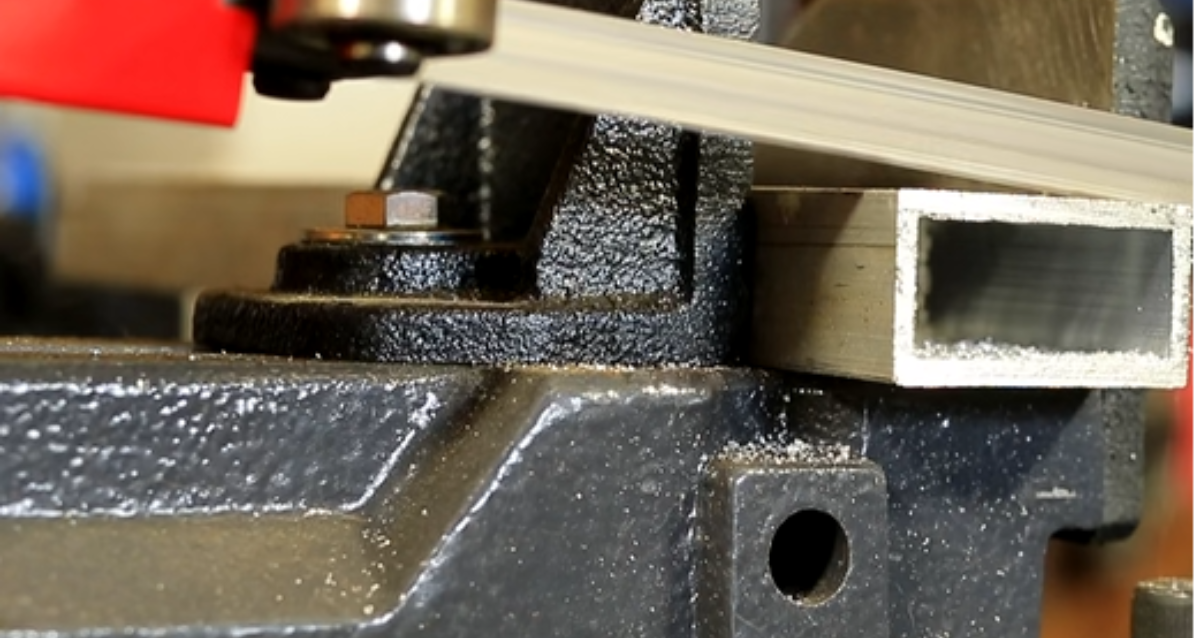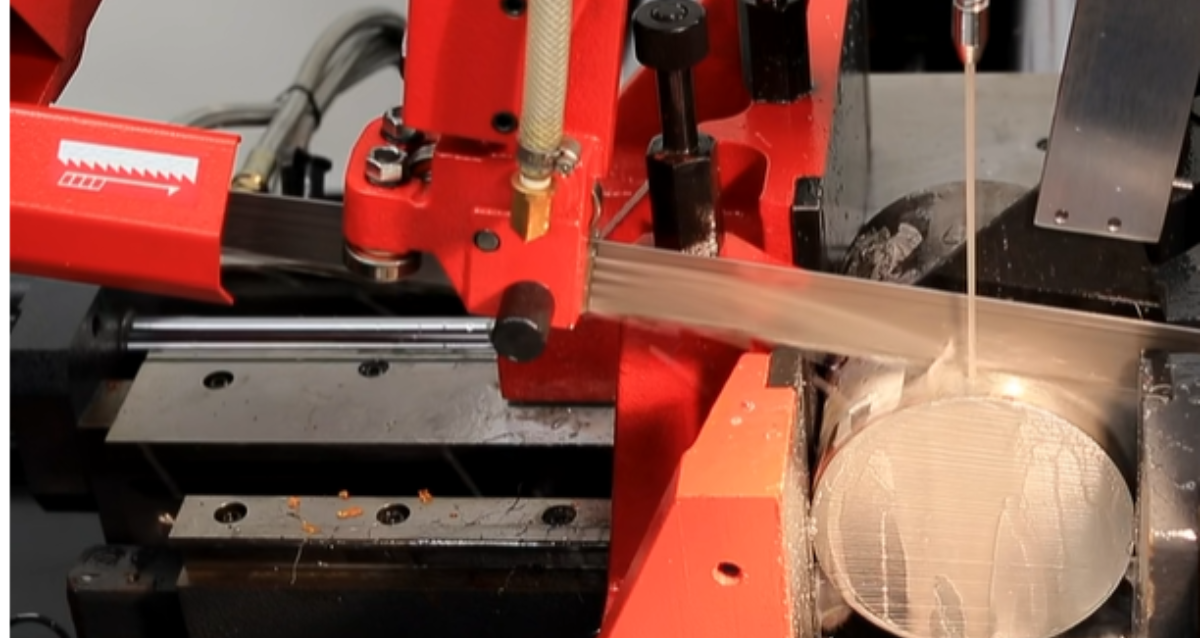
When you install a new band saw blade, it’s tempting to jump straight into full production cutting. But here’s the catch—without a proper break-in process, your blade could wear out prematurely, lose teeth, or give you crooked cuts. Think of it like buying a new pair of shoes: you wouldn’t run a marathon in them right away, right?
Below are some proven tech tips to break in your band saw blades for maximum performance and longer lifespan.
1. Understand Why Break-In Matters
New blades have extremely sharp edges—almost too sharp.
If you push them too hard at the start, the sharp corners of the teeth can chip or strip.
Breaking in smooths the cutting edges, making them stronger and more durable.
Tip: Treat a new blade like a pencil tip—apply too much pressure at the start and it’ll snap.
2. Set the Correct Blade Speed
Always match the blade speed to the manufacturer’s recommended chart for the material you’re cutting.
Cutting steel? Slower speed.
Cutting aluminum or softer metals? Faster speed.
Tip: Speed is critical. Too fast and you burn the edge; too slow and you risk uneven wear.
3. Reduce Feed Pressure at First
During the break-in cut, lower your feed rate by about 20–25% of your normal cutting pressure.
Make the first 100 square inches of cut at reduced pressure.
After that, gradually return to your normal rate.
Tip: If you hear squealing or see heavy vibration, your feed is still too aggressive.
4. Watch the Chips
Your chips tell the story:
Thin, powdery chips = too little feed.
Blue or burnt chips = too much speed/feed.
Curly, silver chips = perfect cut.
Tip: Adjust feed until your chips are consistent curls, not dust or dust clouds.
5. Gradually Ramp Up
Some operators like to start light and increase gradually:
Start with the lowest feed that still produces chips.
Slowly raise the pressure until you reach normal cutting speed.
Tip: This method is especially useful for harder alloys and stainless steel.
6. Avoid Short Cuts
Skipping the break-in process may save you 5 minutes today, but it will cost you hours later when blades fail early.
Tip: Think long-term—proper break-in can double blade life.
7. Maintain Consistency
Don’t stop and start too often during break-in. A smooth, continuous cut is better than short bursts.
Tip: If possible, dedicate a single workpiece just for breaking in your blade.
8. Keep It Cool
Heat is the enemy of a fresh blade edge. Always ensure proper coolant flow or lubrication during the break-in process.
Tip: No coolant? Reduce speed even more to prevent overheating.
Final Thoughts
Breaking in a band saw blade isn’t complicated—but it’s often overlooked. With just a few adjustments in speed and feed pressure, you can protect your investment, improve cut quality, and extend blade life. Treat your blade right from the start, and it’ll return the favor with smoother, straighter cuts for longer.